

Our activities vary from producing particular data that organizations can put into apply instantly to longer-term analysis that anticipates future challenges and technological developments. The NIST CSF profiles function a bridge between the framework’s core features and your organization’s unique needs, such as business goals, danger tolerance, and available resources. They offer actionable steps to strengthen your organization’s cybersecurity maturity, making certain that dangers are managed effectively and incidents are handled with confidence. This operate helps organizations define their current security state, set goals for enchancment, and create a roadmap to get there.
Drives Business Growth And Builds Trust
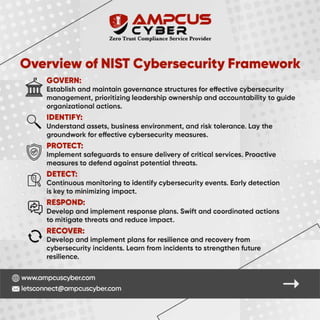
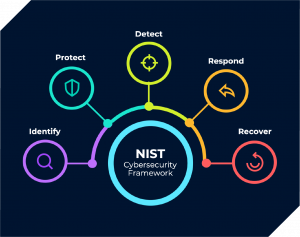
Every operate is damaged into categories and subcategories that define particular desired outcomes, which organizations obtain by way of controls appropriate https://drpostdoc.com/11-benefits-of-online-employee-management-software-for-businesses/ to their setting. The National Institute of Standards and Technology (NIST) created the framework by collaborating with authorities and business teams, and the framework was designed to enrich current organizational cybersecurity operations. NIST CSF (the National Institute of Requirements and Technology Cybersecurity Framework) is a set of standards to help firms improve their overall cybersecurity posture. The NIST CSF defines a set of best practices that permits IT organizations to more successfully manage cybersecurity dangers. Organizations can voluntarily use this framework to assess their cyber dangers and set plans for bettering or maintaining their security posture over time.
What Are The Benefits Of Implementing Nist Csf?
- Fortra’s GoAnywhere encrypts information between a corporation and its buying and selling companions, defending it from pointless risks in transit and at rest.
- The NIST Cybersecurity Framework (CSF) is a voluntary set of standards and finest practices that helps organizations manage cybersecurity threat.
- NIST CSF (the Nationwide Institute of Requirements and Technology Cybersecurity Framework) is a set of standards to help firms improve their overall cybersecurity posture.
- Establishes and screens an organization’s cybersecurity threat administration strategy, expectations, and coverage.
NIST CSF additionally governs compliance with the Federal Data Processing Commonplace Publication 200 (FIPS 200), necessary for government-affiliated entities. Every group decides to which features, classes, and subcategories it wishes to conform. Kiteworks offers capabilities that map to CSF 2.0’s functions throughout the delicate data change channels an organization uses — safe email, secure file sharing, managed file transfer, SFTP, and safe information types. Its integration with different standards like PCI DSS, ISO 27001, and the CIS Crucial Security Controls additional enhances its value, enabling organizations to streamline compliance efforts while reducing risks. PAM bridges the gap between the framework’s suggestions and real-world implementation, making it simpler to attain compliance while sustaining robust security practices. Privileged Entry Management (PAM) encompasses a set of applied sciences and practices designed to watch and manage privileged (or administrative) access to important methods.
tier 2: Risk-informed
NIST CSF is voluntary — it’s not a regulation or regulation and carries no direct penalty for noncompliance. It applies to organizations of any sector or size that select to adopt it, and CSF 2.0 explicitly broadened its acknowledged scope past the framework’s unique critical infrastructure focus to replicate how broadly it has really been used. NIST CSF 2.0 is designed for any group, regardless of measurement or industry. It is very helpful for entities seeking to enhance cybersecurity practices or comply with regulatory requirements. The framework offers flexibility, permitting organizations to adopt its rules according to their wants and risk profiles.
All third-party software tools utilized by the company must be updated and patched. Checking present CSF profiles might help to determine where the gaps are in your organization. NIST also has the CSF reference tool to search out explicit examples of implementation. Whereas NIST CSF turned a requirement for all federal businesses in May 2017, it has been widely adopted and utilized by organizations of all sizes throughout every business as a end result of its complete nature.
NIST CSF 2.0 is a voluntary framework of requirements, tips, and greatest practices designed to help organizations manage cybersecurity risks, enhance resilience, and combine safety with enterprise threat administration. NIST CSF 2.0, released in February 2024, is the first main revision to the NIST Cybersecurity Framework since its original 2014 publication. The most vital change is the addition of a sixth core operate, Govern, which elevates cybersecurity governance, technique, and oversight to a standalone function quite than treating it as a subset of the unique Identify operate.
Leave a comment